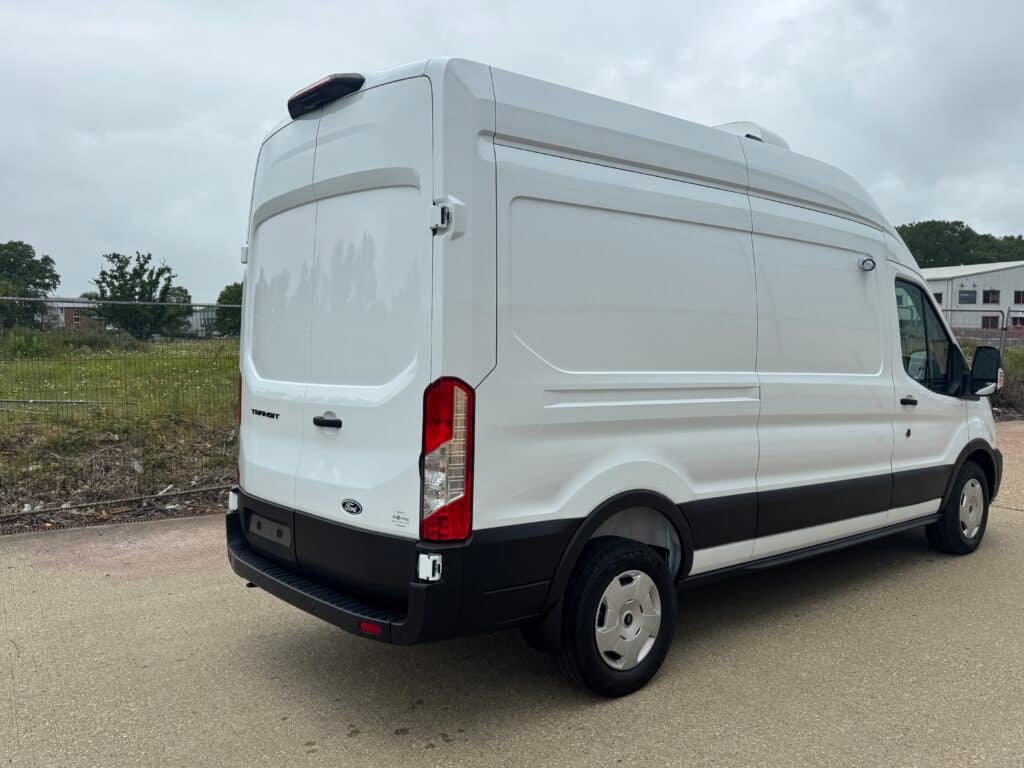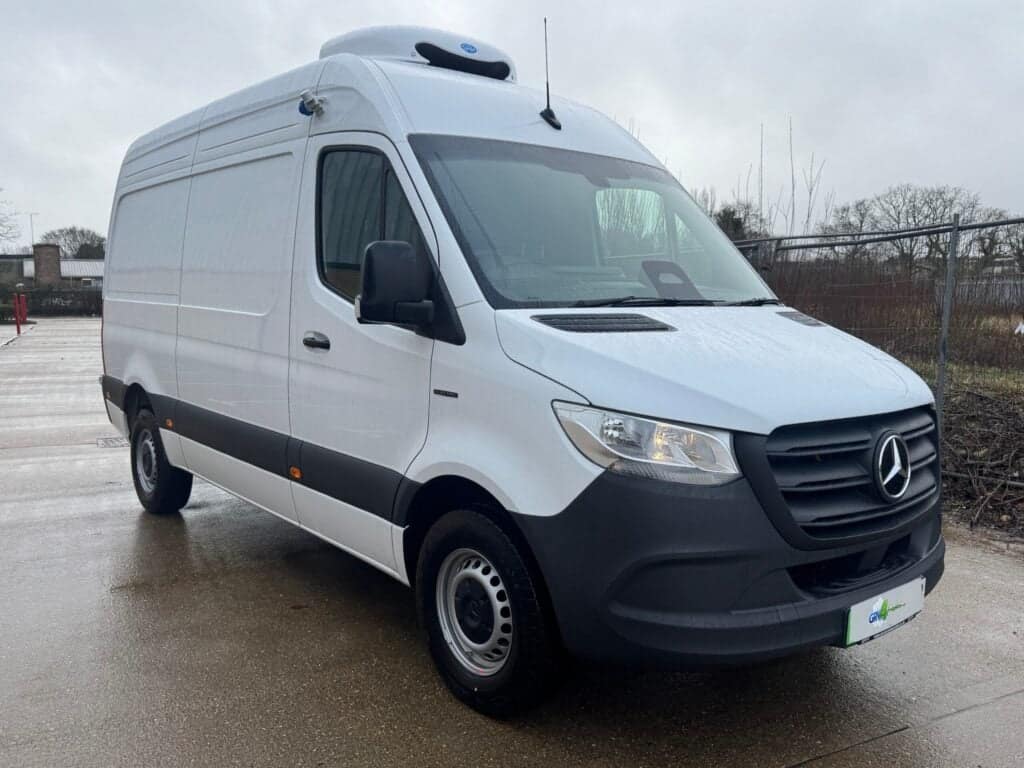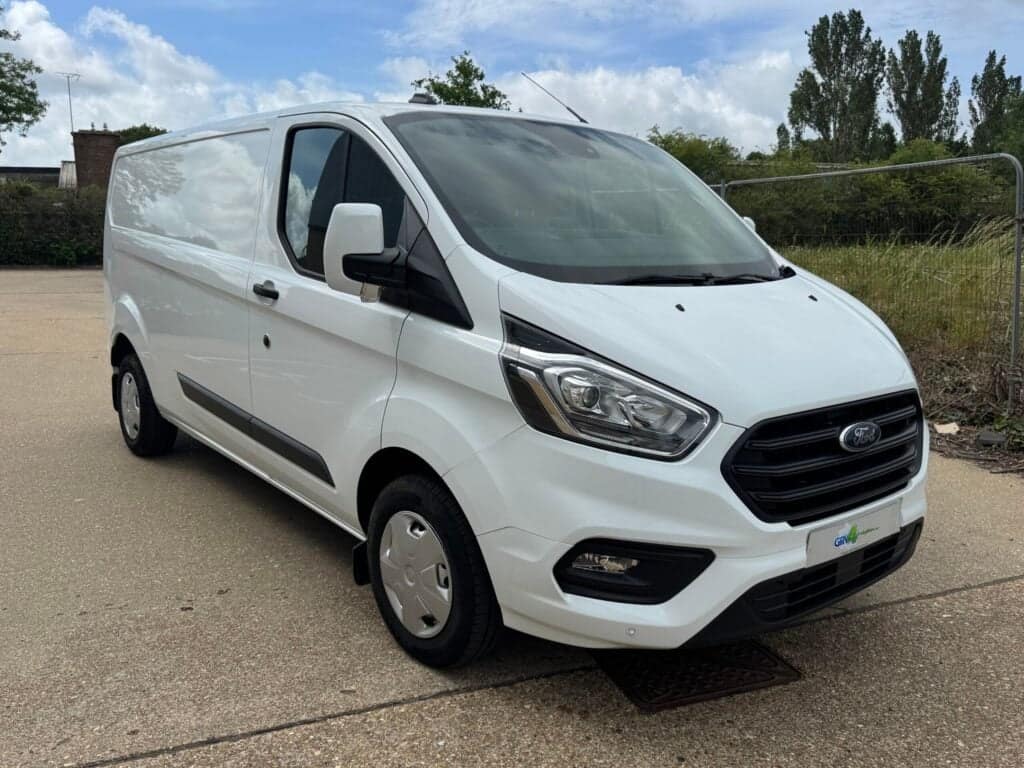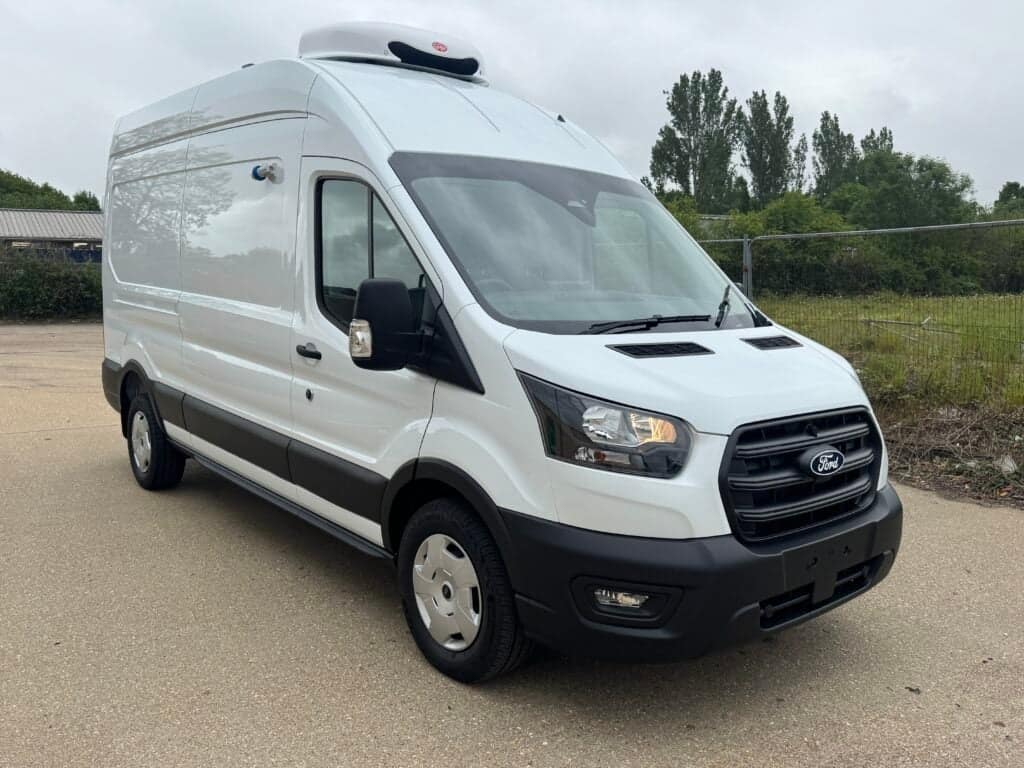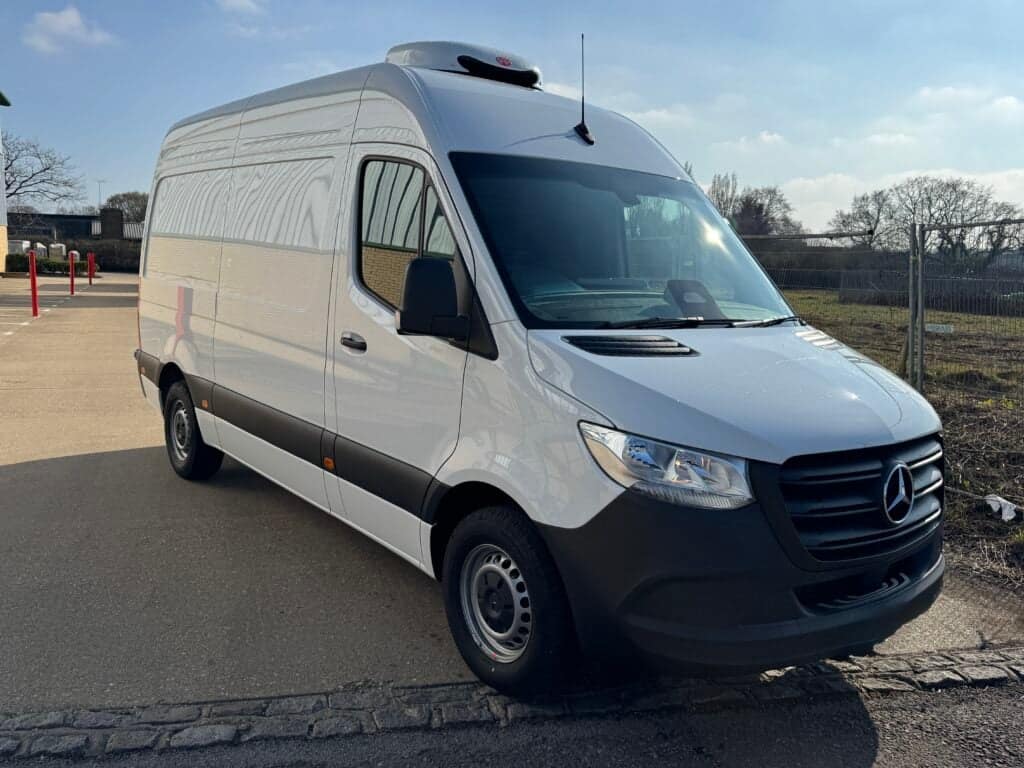
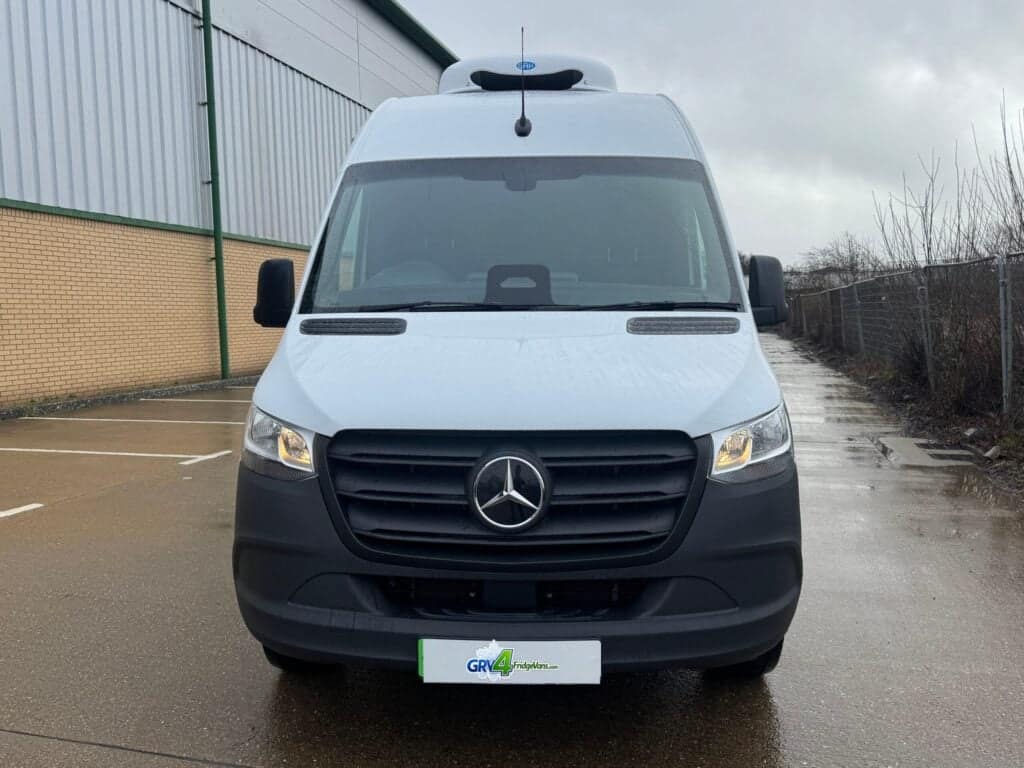
Most fridge vans can be driven on an ordinary car licence. The weight that matters is the van’s maximum authorised mass (MAM), sometimes called its gross vehicle weight. It’s on the plate inside the van and in the manufacturer’s spec. Here’s what the rules say, checked against GOV.UK and legislation.gov.uk in October 2026.
The rules can change, so always check GOV.UK before you rely on them. This guide covers Great Britain; Northern Ireland has its own rules, which we flag below.
Diesel and petrol vans: 3,500kg on a car licence
A category B car licence lets you drive a petrol or diesel van up to 3,500kg MAM. Hybrids count as petrol or diesel here.
A 3,500kg van is a 3.5-tonne van. Its MAM is the most it can weigh when loaded, not what it weighs empty.
Electric vans: up to 4,250kg on a car licence
A category B licence also lets you drive a zero-emission van, electric or hydrogen, up to 4,250kg MAM.
Until 2025, you had to do 5 hours of training before driving one of these heavier electric vans. That requirement was removed from 10 June 2025. The current law no longer includes it, and the GOV.UK guidance doesn’t mention any training.
Two points to note:
- It’s for zero-emission vans only. Hybrids stay at 3,500kg.
- The law that made this change covers England, Wales and Scotland. If you’re based in Northern Ireland, check the rules on nidirect.
Above 3,500kg: what changes for a diesel van
Go over 3,500kg MAM in a diesel van and a car licence is no longer enough. In Great Britain the main changes are:
- Licence: you need category C1, which covers vehicles from 3,500kg to 7,500kg. If you passed your car test before 1 January 1997, your licence usually already includes C1. Check yours on GOV.UK’s “View your driving licence” service.
- Operator licence: a business using a goods vehicle with a gross plated weight over 3,500kg needs a goods vehicle operator licence.
- Drivers’ hours and tachograph: the drivers’ hours rules apply to vehicles over 3.5 tonnes, and driving time has to be recorded on a tachograph.
- Annual test: instead of an MOT at 3 years old, the van needs a goods vehicle annual test, with the first one due when the van is a year old.
That’s a lot more paperwork, so check the plated weight before you buy any van that might be over 3,500kg.
Electric vans from 3,500kg to 4,250kg: the June 2026 changes
From 1 June 2026, new regulations changed the rules for zero-emission goods vehicles between 3,501kg and 4,250kg in Great Britain:
- Tachographs: they’re taken out of the tachograph rules and the stricter drivers’ hours rules for heavier vehicles, so they don’t need a tachograph. Check GOV.UK for the hours rules that still apply.
- Testing: they move to a class 7 MOT, like a normal van, instead of the goods vehicle annual test.
Northern Ireland is different. These changes don’t apply there. A June 2026 notice from Northern Ireland’s Department for Infrastructure says zero-emission vans of 3.5 to 4.25 tonnes in Northern Ireland still need a tachograph, unless another exemption applies. It also says vans of this weight used on journeys between Great Britain and Northern Ireland still need a tachograph and stay in scope of the drivers’ hours rules, unless another exemption applies. If you run an electric van across the Irish Sea, check with Northern Ireland’s Driver & Vehicle Agency (DVA) before you go.
Whether an operator licence is needed for these heavier electric vans is a separate question. Check GOV.UK for your situation.
Payload: a conversion adds weight
The fridge unit, the insulated lining and any slab side door or bulkhead all add weight. That weight comes off the payload, so a fridge van can carry less than the same van without a conversion. A freezer, with its thicker insulation, takes a little more.
The van’s plated weight stays the same, so it’s the payload that gets smaller. Check the payload left over against what you actually carry, and never load past the plated weight. We check the payload against your load before you buy.
Read more in what size fridge van do you need? and our guide to electric fridge vans.
Where to check
- GOV.UK: “Driving a van” and “Driving licence categories”.
- GOV.UK: “Being a goods vehicle operator”.
- nidirect, if you’re based in Northern Ireland.
We’re not lawyers and this isn’t legal advice, but we’ll gladly tell you the plated weight and payload of any van we sell. Call us on 01444 245555 or send us an enquiry.