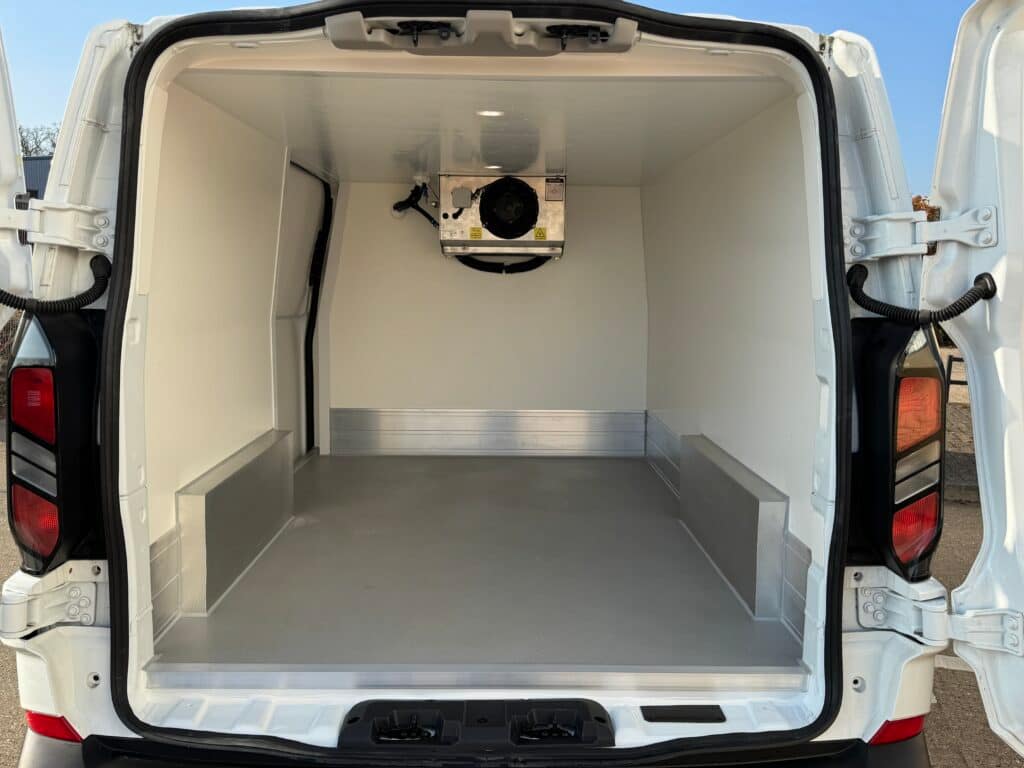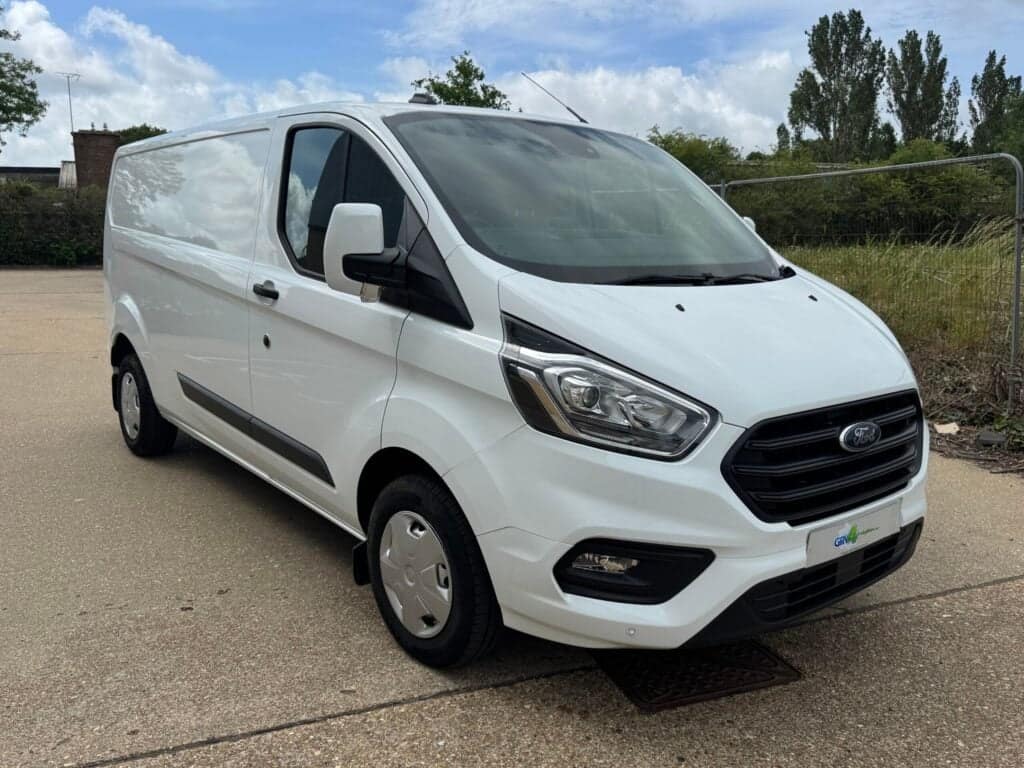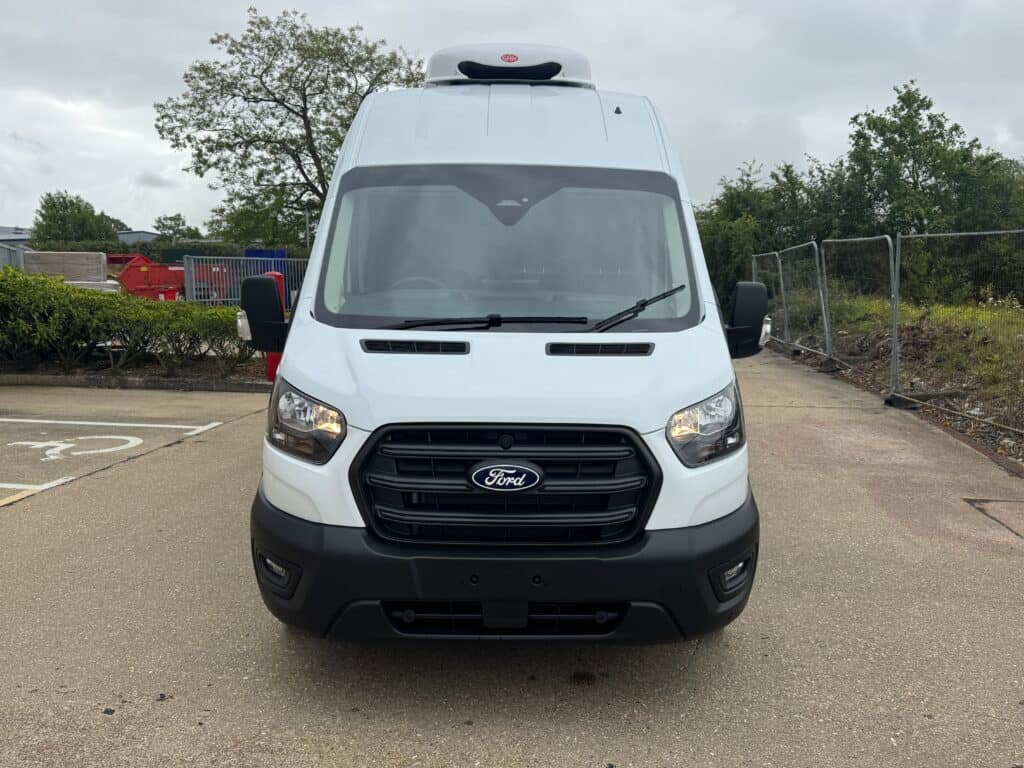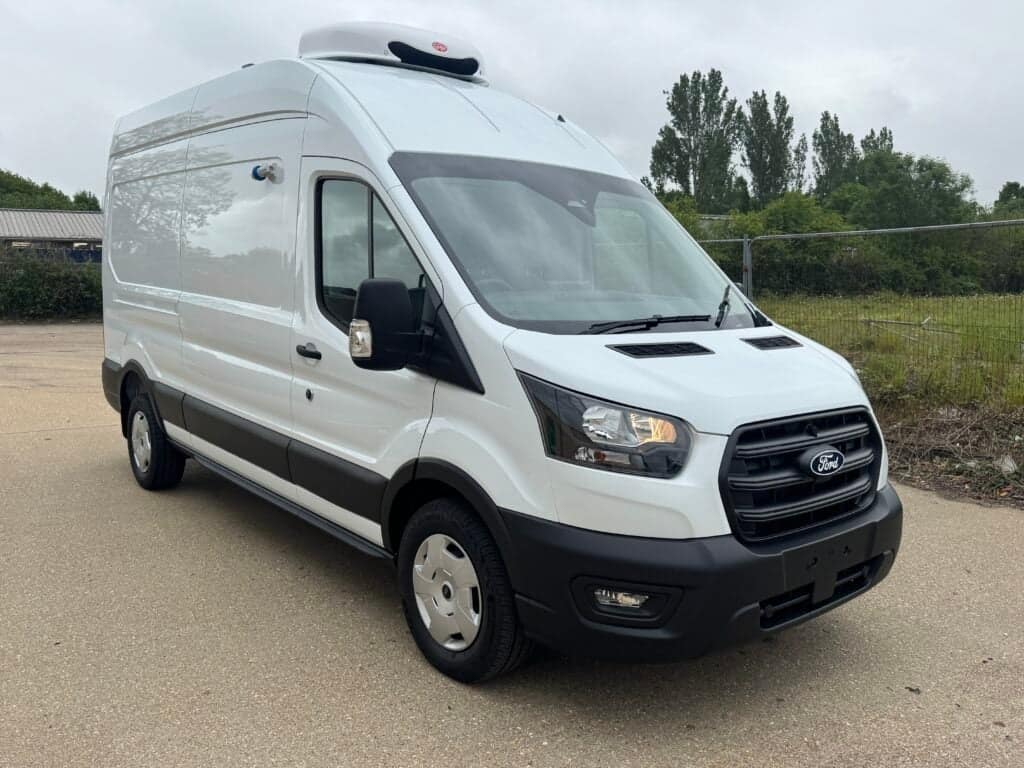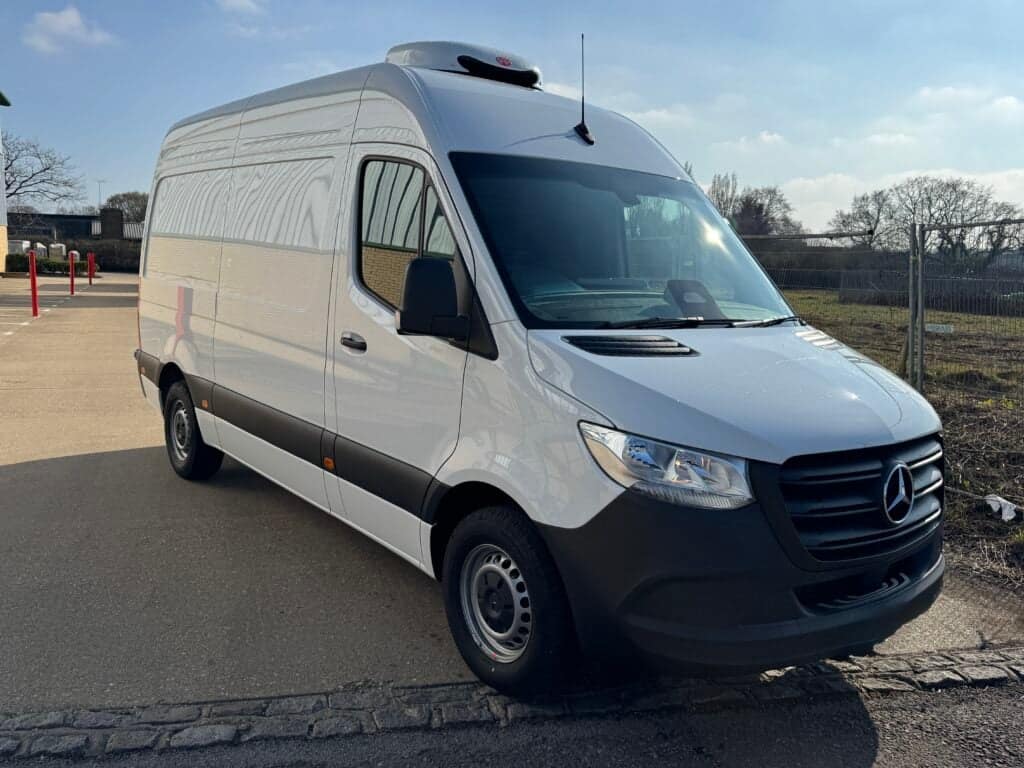
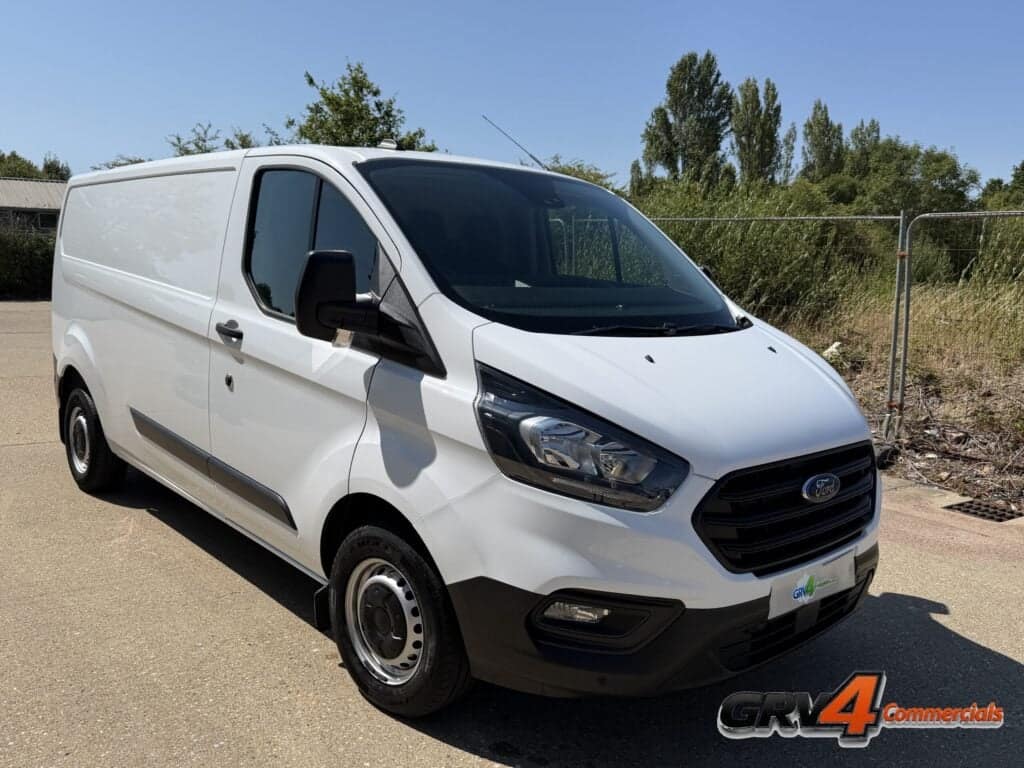
A fridge van isn’t insured like an ordinary van. The conversion, what you carry and how you use it all change the policy you need. Get any of them wrong and a claim can be turned down.
We sell vans, not insurance. This is what to raise with your insurer or broker, not advice on which policy to buy.
1. Declare the conversion
If the refrigeration wasn’t fitted by the van’s manufacturer, insurers treat it as a modification. You need to tell them the van has been converted to a refrigerated van, when you take out the policy and if anything changes mid-term (QuoteZone, Confused.com).
The premium may be higher than for the same van without a fridge. The insulated lining and the unit add a lot to the van’s value, so an accident or theft costs the insurer more to put right.
Don’t skip it to save money. If you don’t declare a modification, your insurer may not pay out when you claim, and the converted parts may not be covered at all.
Have the details ready: the make and model of the fridge unit, whether it’s a chiller or freezer, any extras such as electric standby, and what you paid for the van.
2. Get the class of use right
Van insurance is sold by class of use. The names vary a little between insurers, but the usual ones are:
| Class of use | What it’s for |
|---|---|
| Social, domestic and pleasure | Personal use only. No work. |
| Social and commuting | Personal use plus driving to one regular workplace. |
| Carriage of own goods | Business use, carrying your own goods and equipment. |
| Haulage, or hire and reward | Carrying other people’s goods for payment, such as couriers and delivery drivers. |
Sources: Confused.com, Admiral.
A fridge van is a work van, so social-only cover is almost never right. The harder question is the line between own goods and hire and reward. Insurers don’t all draw it in the same place. Some say carriage of own goods doesn’t cover delivering to customers. If you deliver your own products, such as meat from your butcher’s shop, tell the insurer exactly that and ask which class they want. If you deliver for other businesses, you’re carrying their goods for payment.
The wrong class can leave you uninsured for the work you’re actually doing.
3. Goods in transit cover
Your van policy covers the van. It doesn’t normally cover the load. Goods in transit insurance covers the goods you carry against loss, theft and damage while they’re on the move (AXA, Confused.com).
Things to check:
- The limit. Set it at or above the most you ever carry, not your average load.
- Overnight. Many policies won’t cover theft from a van left unattended unless it’s locked and the keys are removed, and some only if it’s kept in secure premises.
- Where you go. Some policies cover only the UK and Ireland.
4. Refrigeration breakdown cover
This is the one fridge van owners miss. If the unit fails and the load spoils, standard goods in transit cover may not pay. Mechanical or electrical breakdown is commonly excluded. Cover for stock that deteriorates because the refrigeration broke down is usually an extra you have to ask for (NFU Mutual).
Ask your insurer:
- Is spoilage from a refrigeration breakdown covered, and up to what limit?
- Do I have to keep service records for the fridge unit?
- Do I have to keep temperature records?
- Is a delay, such as being stuck in traffic, treated differently from a breakdown? It often is.
Keeping the unit serviced and your temperature records up to date helps you either way. See how long does a fridge unit last?
5. The rest of the business
Van and goods cover aren’t the whole picture. If you employ staff, employers’ liability insurance is a legal requirement for most businesses (HSE, HSENI). Ask your broker what else your trade needs.
Before you ring for quotes
- Fridge unit make, model and temperature range.
- What you carry and what a full load is worth.
- Whose goods they are, and whether you’re paid to carry them.
- Where the van is kept overnight.
This is general information, not insurance advice. Check the policy wording with your insurer or broker before you buy.
When you buy from us we’ll give you the unit details your insurer will ask for. Call us on 01444 245555 or send us an enquiry.