A van is one of the biggest purchases a small business makes, and the wrong one costs you every day you own it. We’ve been selling vans since 1976, so here’s how to narrow the choice down, step by step.
Do you need a van?
If you carry large or heavy items, or goods for your business every day, a van usually pays its way. If what you carry is perishable (meat, fish, dairy, produce, flowers, prepared food), you need more than a van: you need a refrigerated one, because chilled food must by law be kept at 8°C or below in England, Wales and Northern Ireland.
What type of van?
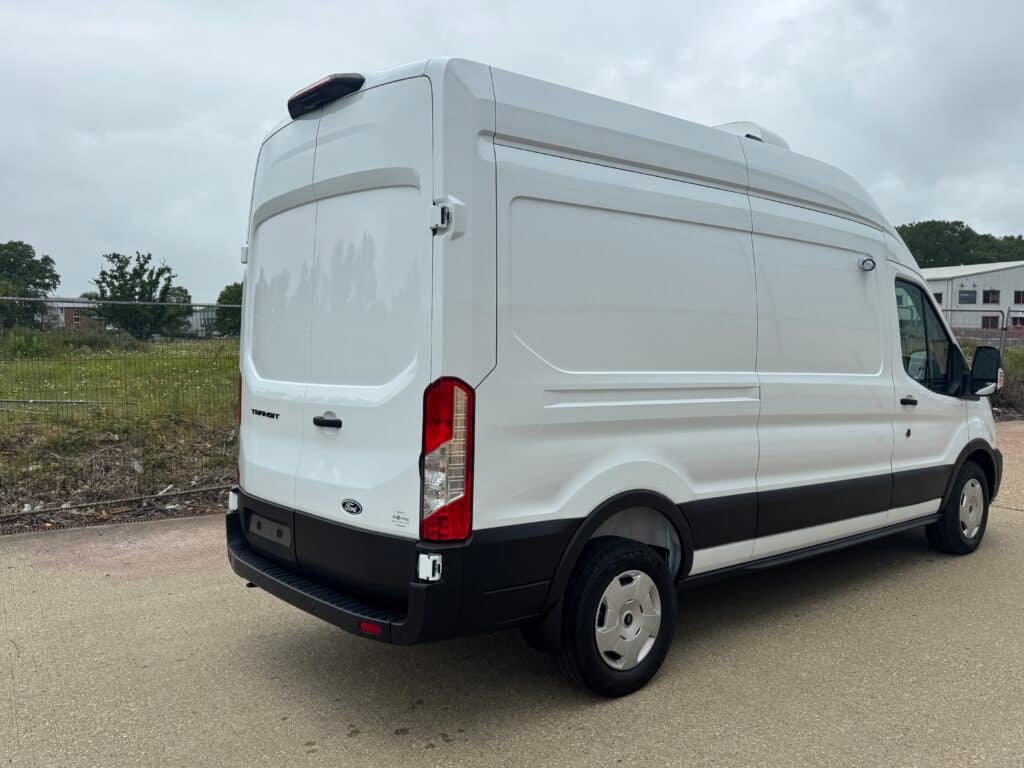
- Panel van: the standard enclosed van, with a sliding side door and rear doors. Most business vans are panel vans.
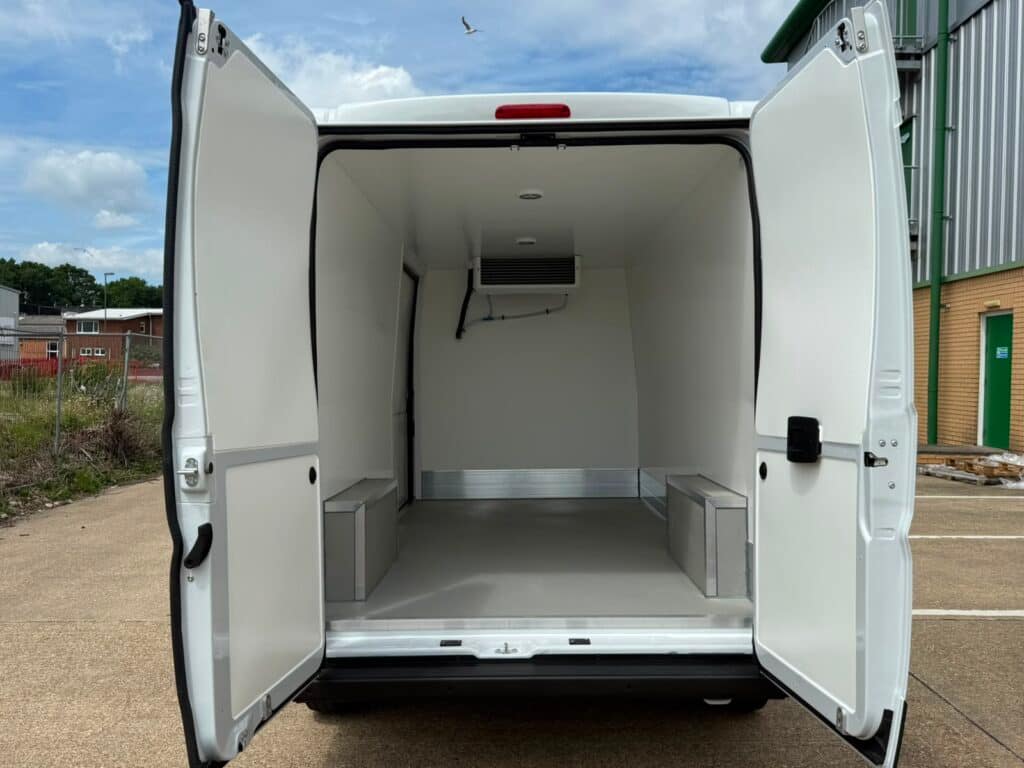
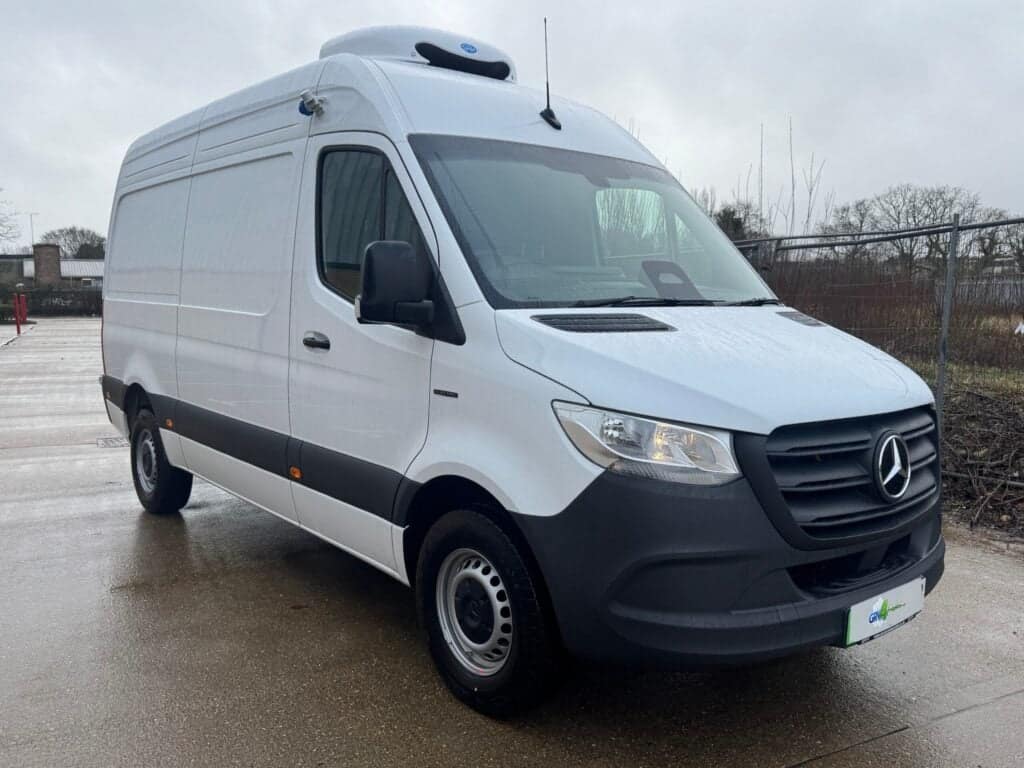
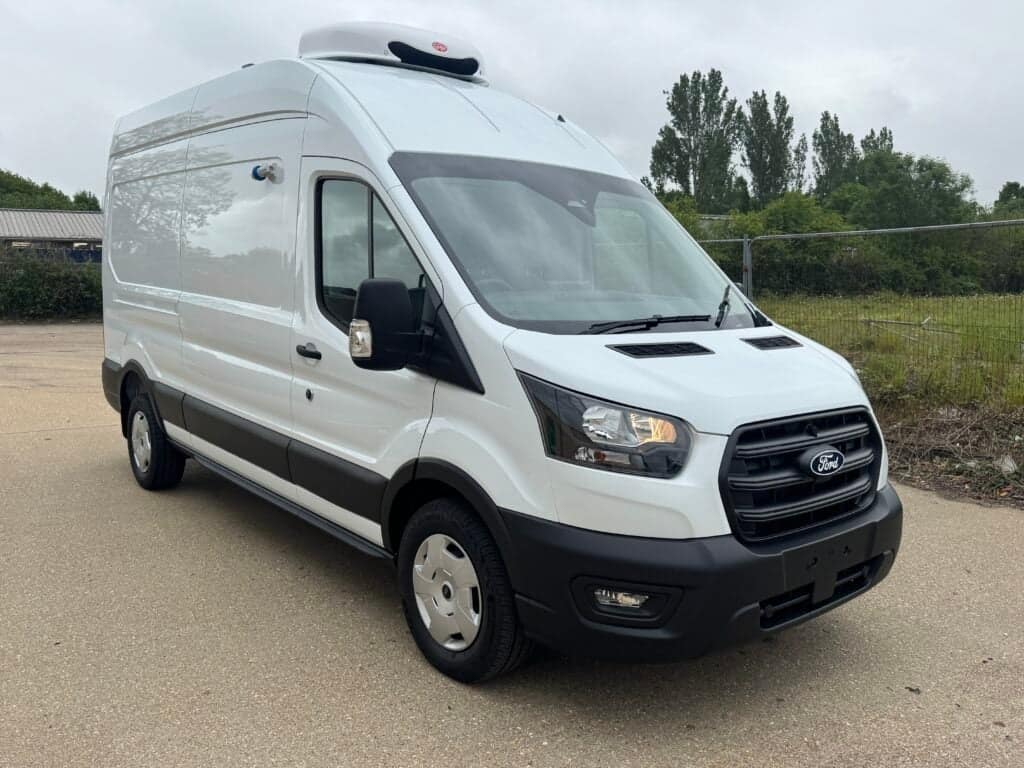
- Refrigerated van: a panel van with an insulated lining and a fridge unit: a chiller (0 to 5°C), a freezer (-18°C or colder) or deep freeze (down to -25°C). See the temperature controlled van buyer’s guide.
- Box body: a box built on a chassis cab, often with a tail-lift, for bulkier or heavier loads.
- Tipper or dropside: for building, landscaping and trade work.
- Electric van: any of the above can come electric. See our electric fridge van buying guide.
Our sister business GRV4 Commercials sells used panel vans; GRV 4 Fridge Vans sells refrigerated ones.
What size?
Size the van for the work you have now. Too big costs more to buy, run and park; too small means extra trips or overloading. Ask yourself:
- What does your heaviest regular load weigh? Payload is what the van can legally carry, and it matters as much as space.
- Do you load by hand, in crates or on pallets?
- Where do you park and deliver: city streets, car parks with height barriers, loading bays?
Small vans suit town work, medium vans most trades, and large vans pallets and bulk. See what size fridge van do you need?
New or used?
New means the manufacturer’s warranty, the latest safety kit and your choice of spec, but the biggest drop in value is in the first years. Used costs less up front; check its history carefully. Our used fridge vans come checked by our engineers with a warranty on the van (what’s left of the maker’s, or 12 months, which can be extended), plus 12 or 24 months on the fridge unit. See new or used?
Buy outright or finance?
- Outright: no agreement and no interest, but your cash is tied up in the van.
- Hire purchase: fixed payments, and the van is yours at the end. You pay the VAT up front and claim it back in the normal way.
- Finance lease: regular rentals with VAT on each; you look after the van and at the end can keep using it or sell it as the lessor’s agent.
We arrange finance for business customers from a £500 +VAT deposit, subject to status. See finance and refrigerated van leasing. Ask your accountant about the tax side: how to claim tax back on your van explains the allowances.
Running costs and clean air zones
Look beyond the price: fuel or electricity, insurance, servicing, tyres and road charges. If you drive into London, a diesel van needs to meet Euro 6 to avoid the £12.50 daily ULEZ charge, and several other cities run Clean Air Zones. Most diesel vans sold from September 2016 meet Euro 6. See are you ULEZ compliant?
Checks before you buy a used van
- The mileage matches the van’s MOT history, which you can check free on GOV.UK.
- There are service records, and for a fridge van, records for the fridge unit too.
- On a fridge van, the fridge pulls the load space down to temperature and holds it, and the lining has no cracks or signs of water getting in.
- You’ve driven it, loaded it, and opened every door the way you’ll use them.
More in common problems with refrigerated vans.
Next steps
Browse our fridge vans and freezer vans, or call us on 01444 245555 and tell us what you carry, how far and how often. Delivery is free anywhere in the UK, and we take part exchanges.