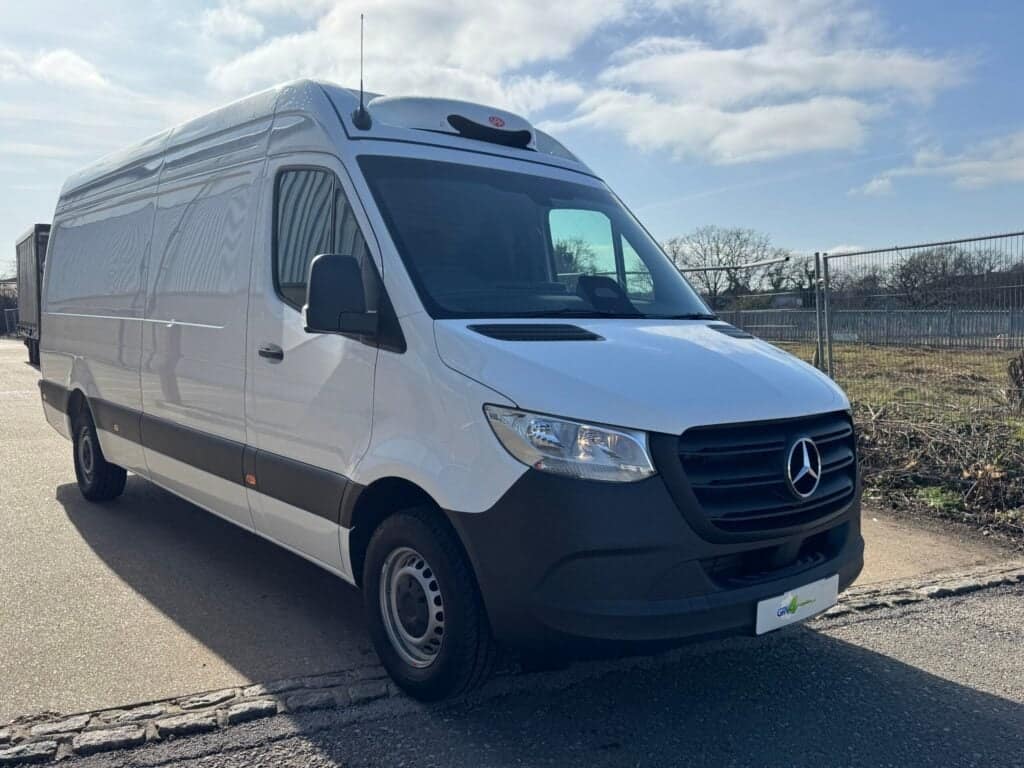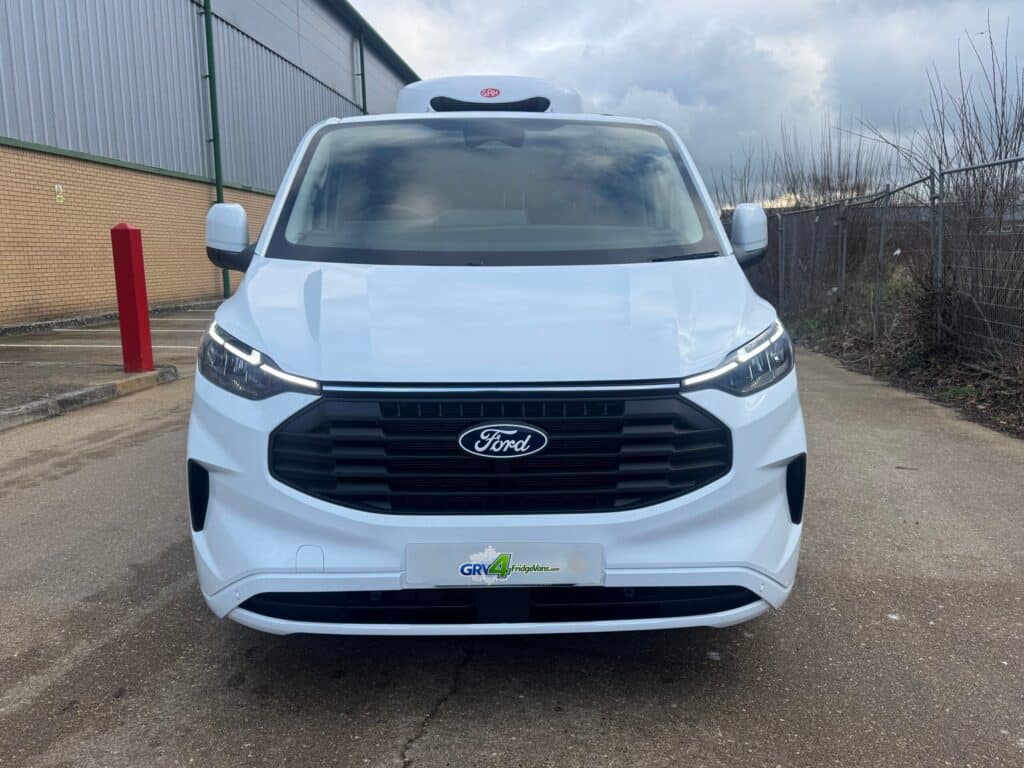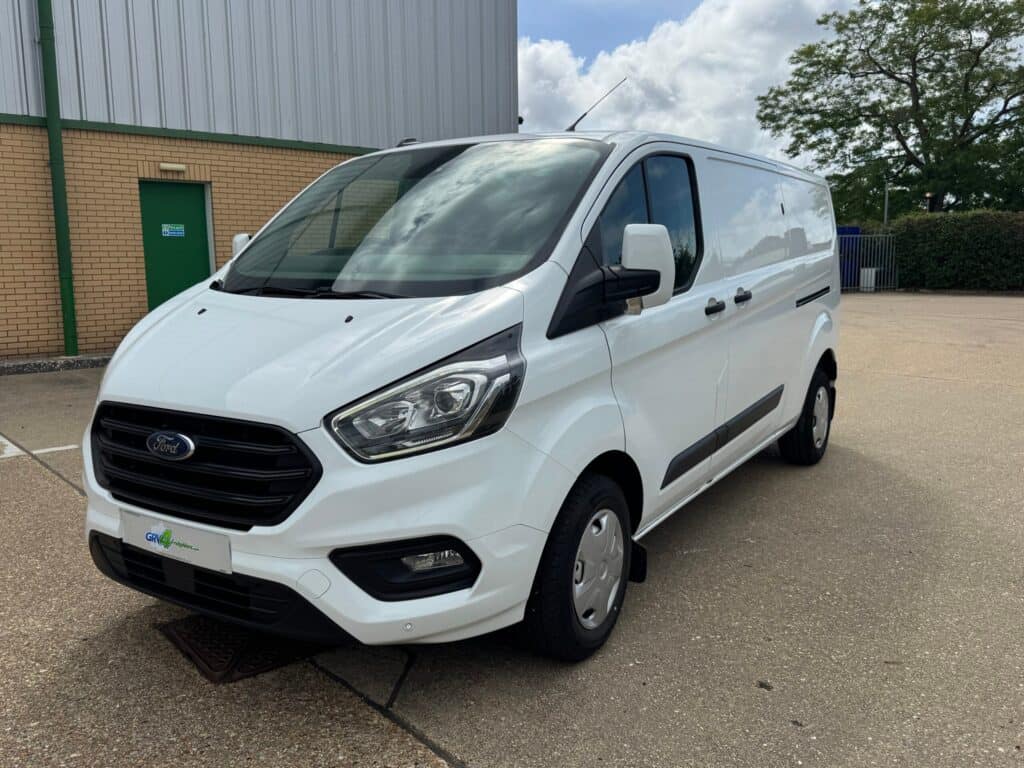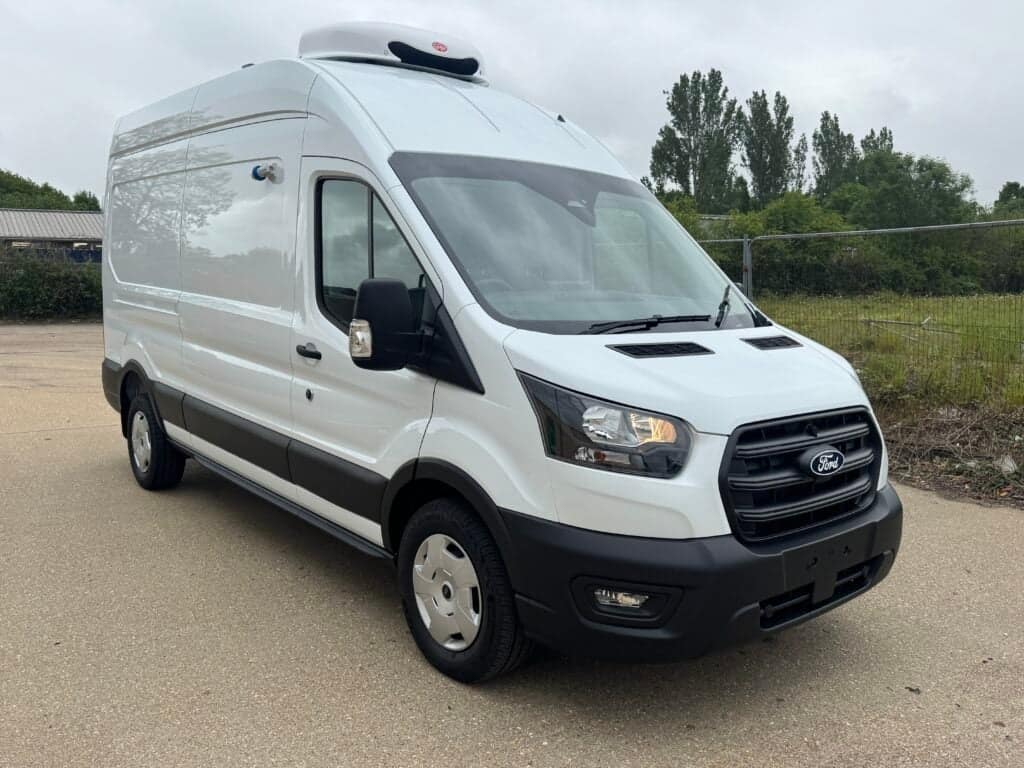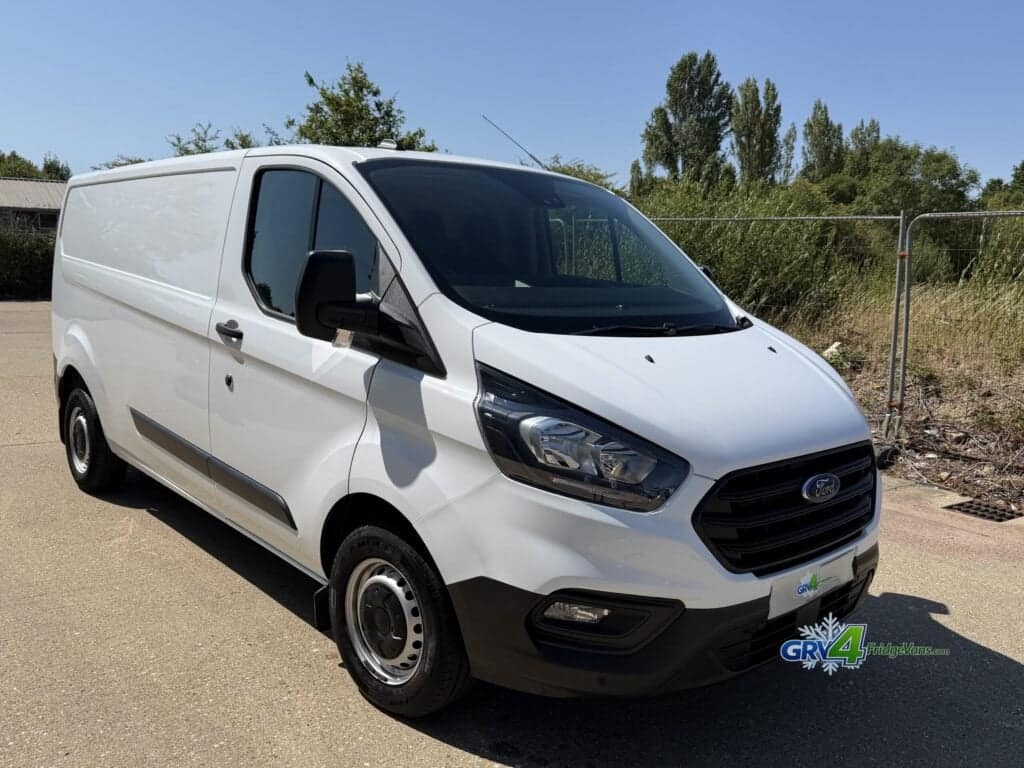
A dual-temperature van is a fridge van with two compartments, split by an insulated wall, so it can carry goods at two different temperatures on the same trip: chilled and frozen, or chilled and ambient. Here’s how they work, what to decide before one is built, and what to check if you’re buying one used. Facts checked October 2026.
The short answer
- What it is: one van, two insulated compartments, each held at its own temperature. The two usual pairings are chilled and frozen, and chilled and ambient (room temperature). You’ll also see them called dual-compartment or multi-temp vans.
- How it works: one fridge unit does the cooling. For chilled and frozen, it cools both sides, either with a second evaporator in the second compartment, or with a fan in the wall that lets cold air through. For chilled and ambient, the wall keeps the cold in the chilled side.
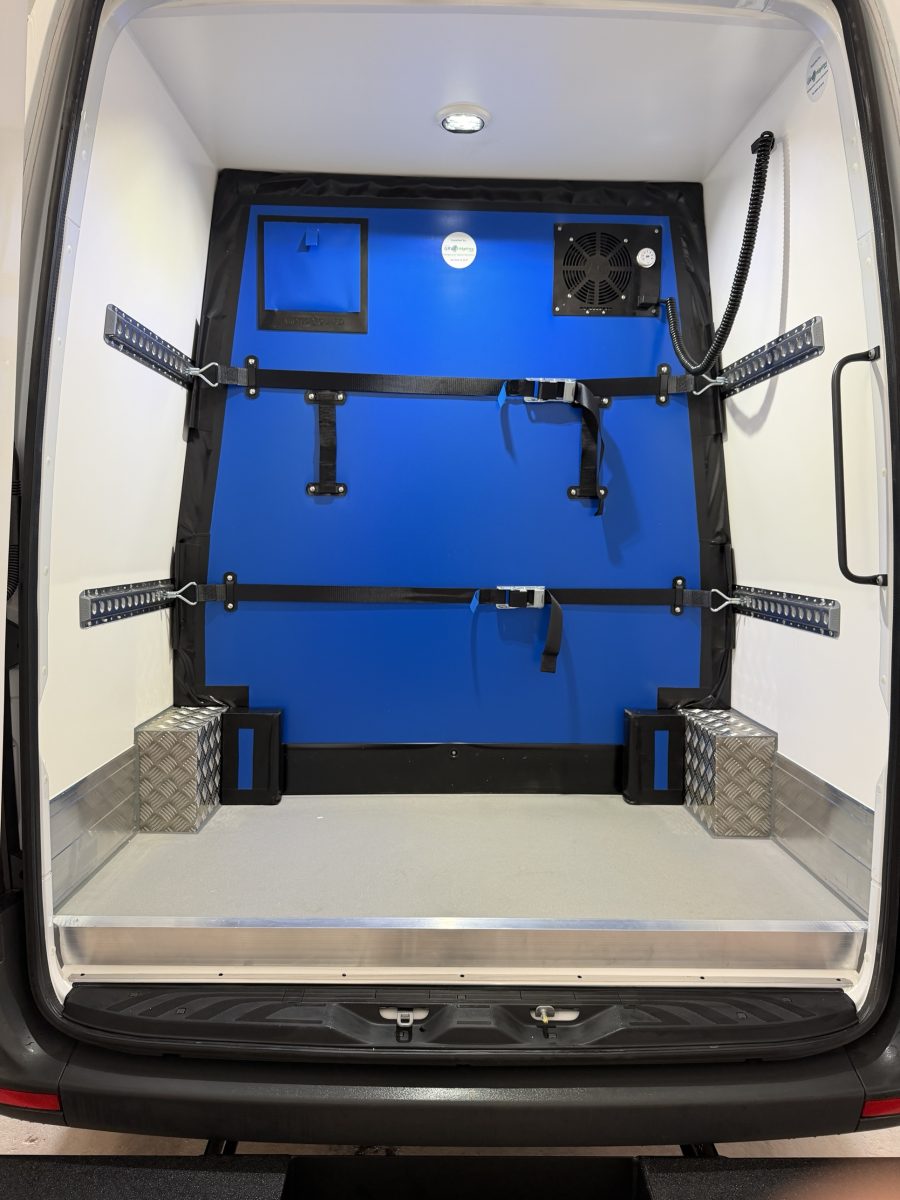
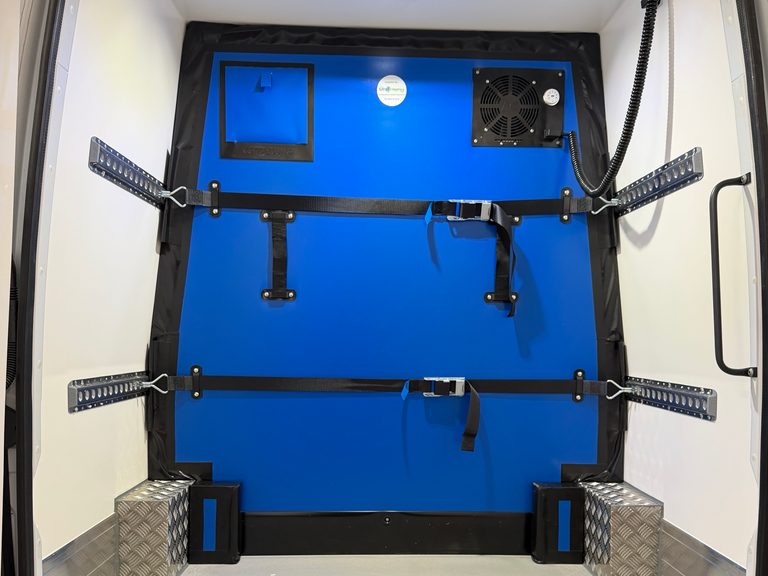
- The wall: a fixed bulkhead stays where it’s built. A moveable one lets you change the size of each side, and many can be folded away or taken out so the whole van runs at one temperature.
- Who uses them: rounds that carry chilled and frozen, or chilled and ambient, together, such as food service and wholesale deliveries, home grocery delivery and medicines.
- The trade-offs: each side is smaller than the whole van, the wall and the extra cooling add weight, and it costs more than a single-temperature van of the same size.
- From us: we build dual-temperature vans to order. Ask us for a price.
What is a dual-temperature van?
It’s a refrigerated van with an insulated wall, called a bulkhead, across the load space. The wall makes two compartments, and each one is kept at its own temperature. There are two usual pairings:
- Chilled and frozen: fresh food in one side, frozen food in the other.
- Chilled and ambient: chilled goods in one side, and goods that must not be chilled in the other, kept at room temperature. A van for medicines, for example, can pair a chilled compartment at +2 to +8°C with an ambient one at +15 to +25°C.
Some vans go further: supermarket home delivery vans can have three sections, for frozen, chilled and ambient shopping.
The wall also keeps products apart. Food hygiene law says that when a vehicle carries different foods at the same time, they must be effectively separated where necessary, and the vehicle must be able to keep food at the right temperature and let that temperature be monitored (legislation.gov.uk).
How one fridge unit runs two compartments
In any fridge van, the unit’s evaporator sits inside the load space, where its fans blow the cooled air round the load, and the condenser outside gets rid of the heat. See how do refrigerated vans work? With chilled and ambient, the fridge unit cools the chilled side and the insulated wall keeps the cold out of the ambient side. Where the ambient side has to stay within a set range, such as +15 to +25°C for medicines, it needs its own temperature control as well.
With chilled and frozen, the van needs a way to cool the second compartment too. There are two main ways:
- A second evaporator. Fridge unit makers sell multi-temperature versions of their van units, with an evaporator in each compartment. Each compartment has its own temperature setting, and you set and check both from the controller in the cab.
- A fan kit in the wall. The evaporator sits in the colder compartment. A fan in the bulkhead, run by a thermostat, lets cold air through into the other side when it needs it. Bulkhead makers sell these kits as an alternative to a second evaporator.
With a fan kit, the side with the evaporator has to be the colder one, because the other side is cooled only by its air. With a second evaporator, each side has its own cooling. Either way, ask how each compartment is cooled and controlled.
Fixed or moveable wall?
A fixed bulkhead is built in, so the size of each compartment is set when the van is converted. A moveable bulkhead slides along tracks or is held in place with straps, so you can make the frozen side bigger on a day with more frozen orders. Many moveable walls can also be folded away or taken out, so the whole van can run as one chiller or one freezer.
| Fixed wall | Moveable wall | |
|---|---|---|
| Size of each side | Set when the van is built | Changed to suit the day’s load |
| Whole van at one temperature | No, always two compartments | Often, if the wall folds away or comes out |
| Seal | Sealed in when the van is built | Has to seal all round, wherever it sits |
| Suits | The same mix of goods every day | A mix that changes from day to day |
Which door reaches which compartment?
Each compartment needs its own door. The simplest way is to put the wall behind the side door, so the front compartment is reached through the side door and the back one through the rear doors. A common layout puts the frozen compartment at the front and the chilled one at the back.
If the frozen side has to hold −18°C or colder and is loaded from the side, it needs a slab side door. The insulation that takes is too thick to fit to a standard sliding side door, so a thicker, sealed slab door takes its place. With a moveable wall, check that every position you’ll use still leaves a door into each side.

Who uses dual-temperature vans?
- Food service and wholesale deliveries to shops, restaurants and caterers, where one drop can include chilled and frozen lines, or chilled lines alongside dry goods and drinks. Some wholesalers fit moveable bulkheads so one vehicle can deliver ambient, chilled and frozen stock together. See food wholesale vans.
- Home grocery delivery: supermarket delivery vans carry frozen and chilled shopping, and often ambient too, in separate sections. See grocery and dairy vans.
- Medicines and healthcare, with chilled medicines at +2 to +8°C on one side and ambient ones at +15 to +25°C on the other. See pharmaceutical vans.
Any business that carries chilled and frozen, or chilled goods alongside things that mustn’t be chilled, can do it with one van instead of two, such as a butcher or fishmonger with frozen lines. See our pages for butchers, fish and seafood and catering.
The pros and cons
Why choose one
- One van instead of two: one driver, one set of running costs, and both temperatures in a single drop.
- Products kept apart, each at its own temperature.
- Room to change, with a moveable wall: alter the split, or run the whole van at one temperature.
What to weigh up
- Smaller compartments: each side is smaller than the whole van, and the insulated wall takes up some of the load length. Check your bulkiest load still fits.
- Weight: the wall, and a second evaporator if there is one, add weight, which comes off the payload. Bulkhead makers sell lightweight walls for this reason. Tell us your heaviest load and we’ll check the payload left after conversion.
- More to look after: two compartments to control and check, a wall that has to seal, and more parts to service.
- Price: expect it to cost more than a chiller or freezer van of the same size.
Decide these at the start
- What temperature each side needs: chilled, frozen or ambient. For food, in England, Wales and Northern Ireland, chilled food must by law be kept at 8°C or below, and the Food Standards Agency recommends 5°C or below to allow for the temperature going up and down. Quick-frozen food must be kept at −18°C or colder; during local deliveries it may rise briefly, but no warmer than −15°C. Our freezer vans run at −10°C, or down to −25°C on request, so if the frozen side will carry frozen food, tell us at the start: it needs to hold −18°C or colder. More in chiller van or freezer van?
- How big each side needs to be. Work it out from a busy day’s mix of goods. If the mix changes a lot, a moveable wall makes sense.
- Which door reaches which side, and whether the frozen side needs a slab side door.
- Electric standby, if you want to load the night before and run the fridge from the mains with the engine off. It has to be specified from the start: it can’t be added after the conversion is finished. See do you need electric standby?
- Curtains across each doorway, to keep the cold in on multi-drop rounds.
- Temperature records. If you fit a recorder, have a sensor in each compartment.
See the bulkheads, slab side doors, curtains and other extras we fit on our accessories page.
Buying a used dual-temperature van
Any used dual-temperature van you find was built for someone else’s mix of temperatures, so check the split suits you. Check it as you would any fridge van (see where to buy a refrigerated van), plus these:
- Both sides at once: run both compartments together, doors shut, and watch each one reach its set temperature and hold it.
- The controls: the controller should show and set each compartment.
- The cooling: check the fans run on each evaporator, or on the fan kit in the wall.
- The wall: look at the seal all the way round. On a moveable wall, check it locks in place in each position you’ll use, and that the seal isn’t split or flattened.
- The frozen side, if there is one: ask how cold it was built to go, and check the seals on the doors into it.
- Service records for the fridge unit as well as the van.
If you can’t find the right one, a van built to order gets your own split and temperatures.
Questions buyers ask
Can you carry chilled and frozen food in the same van?
Yes, if the van has two compartments. One space is held at one temperature, so chilled and frozen food can’t both be kept right in a single compartment. A dual-temperature van keeps each at its own temperature.
Can one side be ambient instead of frozen?
Yes. A dual-temperature van can pair a chilled side with an ambient one, for goods that mustn’t be chilled. The fridge unit cools the chilled side and the wall keeps the cold out of the other. Medicines vans, for example, keep one side at +2 to +8°C and the other at +15 to +25°C.
Will a freezer van do instead?
Only if chilled and frozen go out on different trips. A freezer unit can usually be set to run at chilled temperatures too, so a freezer van can do either job, one at a time. If they go out together, you need two compartments.
How much does a dual-temperature van cost?
It depends on the van, the size of each compartment, the temperature each side needs and the extras. Expect to pay more than for a chiller or freezer van of the same size. For chiller and freezer prices, see how much does a fridge van cost?
Do I need a temperature recorder in each compartment?
Have a sensor in each compartment, so each side has its own record. Whether the law says you need a recorder depends on what you carry: for quick-frozen food there are specific rules, with an exception for local deliveries. See temperature recorders: what the law says.
Do you have dual-temperature vans for sale?
We build them to order, chilled and frozen or chilled and ambient. Tell us what you carry and what temperature each side needs, and we’ll give you a price. See the chiller and freezer vans we have now on our fridge vans and freezer vans pages.
Talk to us
We’ve sold fridge and freezer vans for 50 years, since 1976, in Burgess Hill, West Sussex, and we’ve built and sold dual-temperature vans before, including on Mercedes-Benz Sprinter and Citroën Relay vans. We can build one to order, chilled and frozen or chilled and ambient: tell us what you carry, what temperature each side needs and roughly how big, and we’ll give you a price. Finance is available for business customers, and delivery is free anywhere in the UK, Northern Ireland included. Call 01444 245555 or send us a message.